The Story Behind Rwanda’s Iconic Art: Imigongo
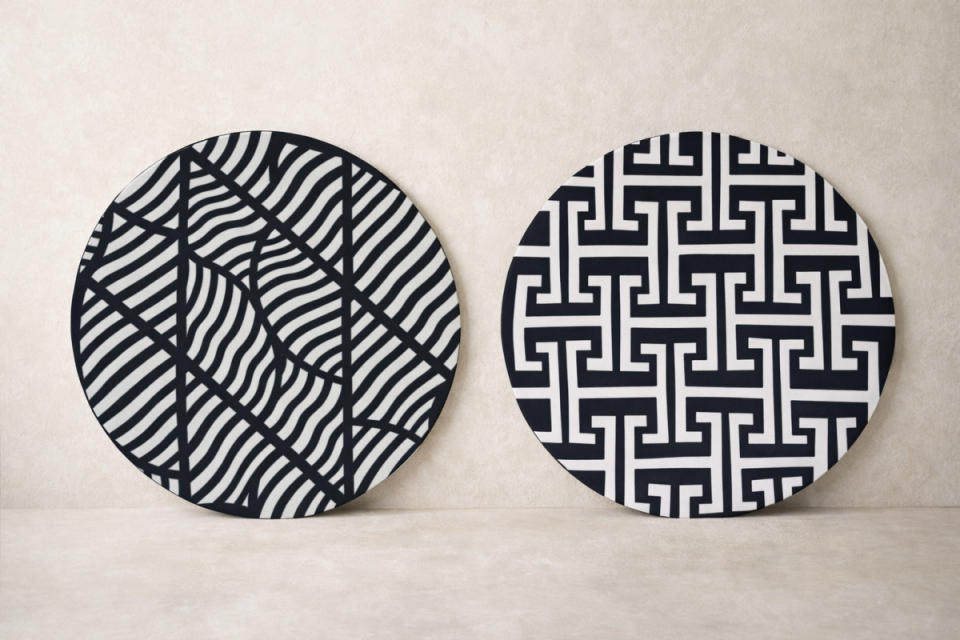
Rwanda is home to many cultural treasures, but few are as visually striking and historically significant as Imigongo. With its bold geometric patterns and earthy tones, Imigongo is more than decoration—it’s a symbol of heritage, creativity, and resilience. At Irebe Basket Collection, we celebrate and preserve this art form, offering you a chance to experience it firsthand.
Origins of Imigongo: Where It All Began
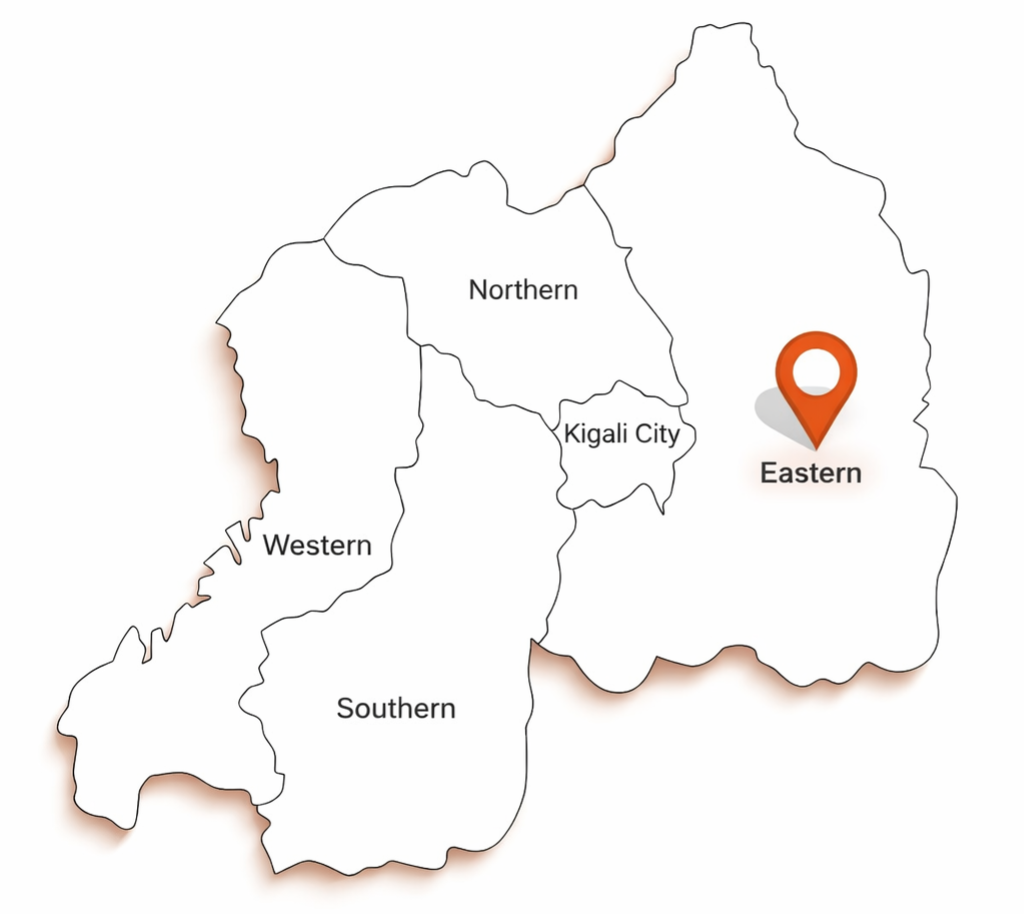
Imigongo originated in the Gisaka Kingdom of Eastern Rwanda during the 18th–19th centuries. Initially, it decorated the walls of royal and noble homes, serving as both an artistic expression and a marker of status and cultural identity.
These early patterns quickly became admired for their beauty, rhythm, and symbolic meaning, and laid the foundation for the art form we cherish today.
The Creator: Prince Kakira
The birth of Imigongo is credited to Prince Kakira, son of King Kimenyi of Gisaka. Known for his creativity and artistic vision, Prince Kakira’s designs set a standard for generations of Rwandan artisans, making Imigongo a lasting symbol of cultural pride.
Materials and Cultural Significance
Imigongo is as meaningful in its materials as it is in its patterns:
- Base: Cow dung, cleaned, dried, and sometimes mixed with ash to create a malleable paste
- Canvas: Wooden boards, traditionally hut walls
- Pigments: Natural colors such as red, yellow, white, and black
In Rwanda, cows symbolize wealth, life, and prosperity. Using cow dung in art is therefore a reflection of culture, abundance, and connection to nature.
The Symbolism Behind the Patterns
Every swirl and curve in Imigongo carries meaning. The iconic curves, called Umugongo (spine), represent balance, harmony, and protection. Inspired by nature and rhythm, these patterns are more than decoration—they are visual storytelling tools, connecting the present with centuries of tradition.
Women: Keepers of the Art
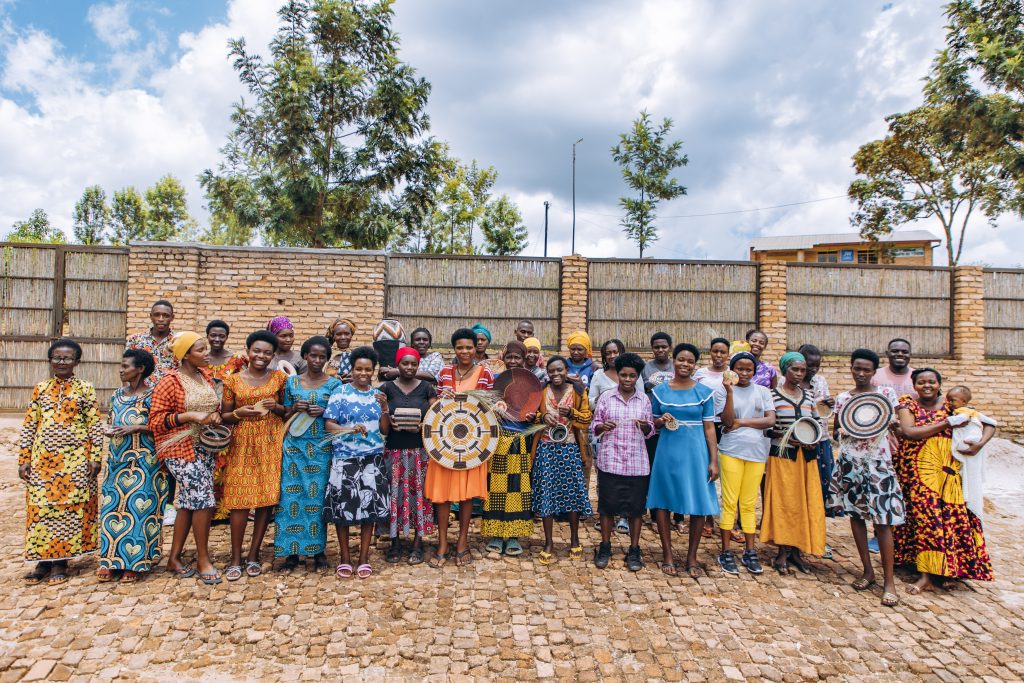
For generations, Rwandan women have been the guardians of Imigongo, passing skills from mother to daughter. At Irebe Basket Collection, we honor this tradition by supporting women artisans and integrating Imigongo into modern, handcrafted designs for home décor, fashion, and lifestyle products.
Imigongo in Modern Design
Today, Imigongo has transcended its historical origins to become a versatile element in contemporary design:
- Home décor: Statement walls, canvas art, and decorative objects
- Fashion and accessories: Textiles, bags, and jewelry
- Art and design: Inspiration for modern Rwandan artists worldwide
Imigongo remains one of Rwanda’s most iconic art forms, blending tradition with contemporary aesthetics.
Experience Imigongo with Irebe Basket Collection
Want to connect with this art form personally? At Irebe Basket Collection, you can:
- Explore unique Imigongo collections for your home or at our galleries
- Book an Imigongo painting experience to learn traditional techniques
- Participate in a weaving session and create your own piece of Rwandan heritage
“Touch the art. Create the story. Live the culture”
Imigongo is not just something to admire,it’s something to experience, create, and share. Bring this iconic Rwandan art into your life with handcrafted pieces from Irebe Basket Collection.